What is a simulation?
From a thrown ball to Conway’s Game of Life, weather forecasts, robot training and a fruit fly’s brain running as math, then the oldest question in the box: how would you know if you were inside one?
Premieres on YouTube soon. Subscribe and you’ll see it the day it goes up.
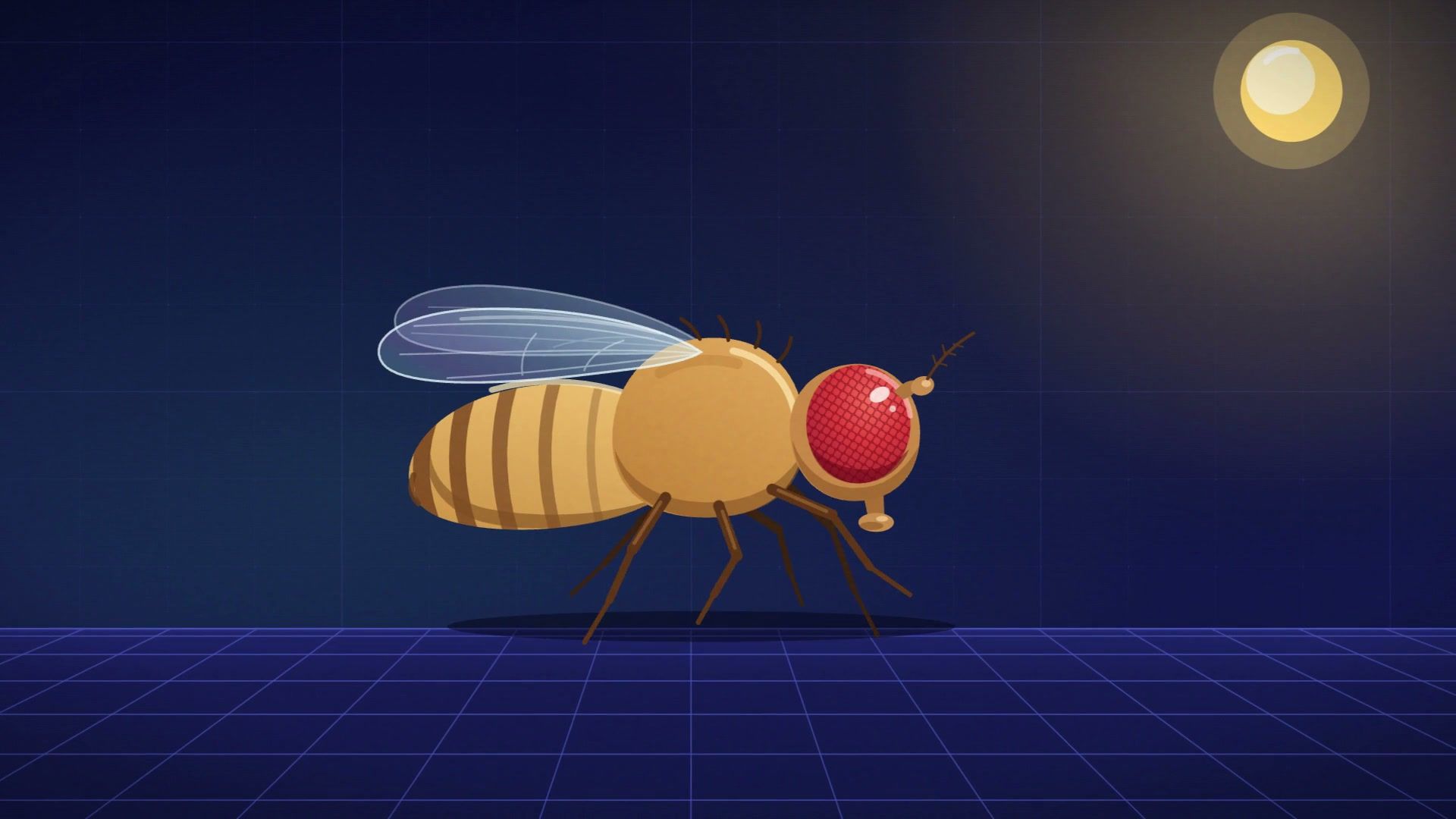
A fruit fly went for a walk. It has no body and no brain. Not real ones.
It ends on a question nobody can answer yet:
If a simulated brain ever acts like it feels something, does it?
Chapters
- 0:00Cold open
- 0:46What a simulation is
- 1:43The Game of Life
- 2:40A short history of fake worlds
- 3:14Simulations run the world
- 4:08Games, VR and the art of cheating
- 5:00Where machines learn
- 6:09Machines that dream worlds
- 7:11A brain made of numbers
- 9:12Are we in one?
- 12:08So what?
Inside the film
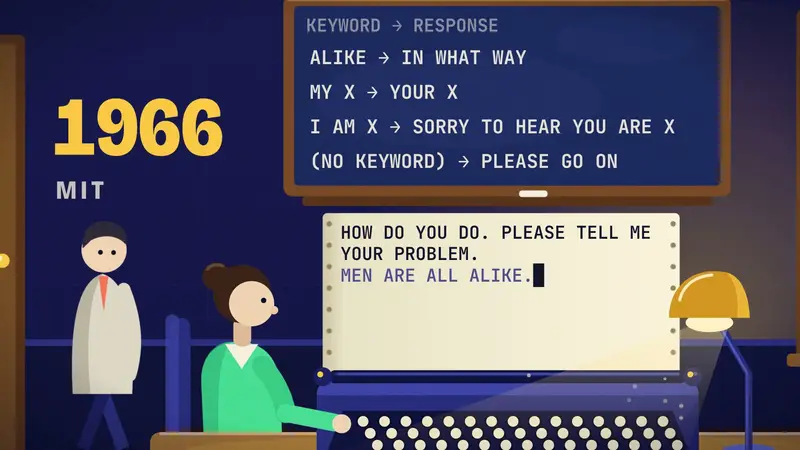
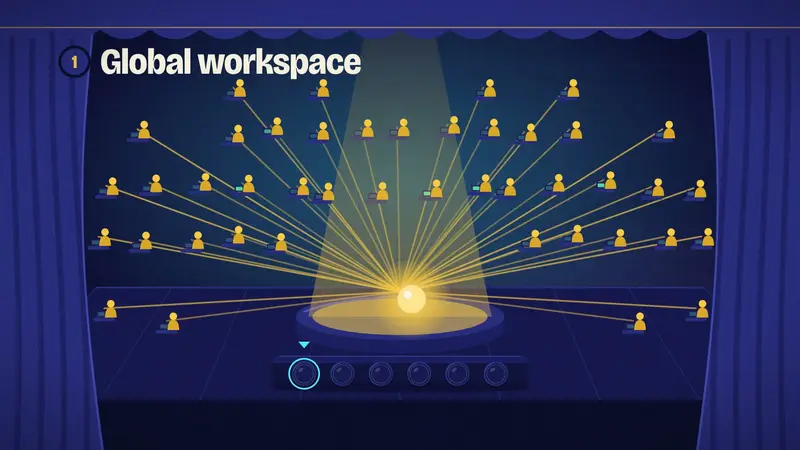
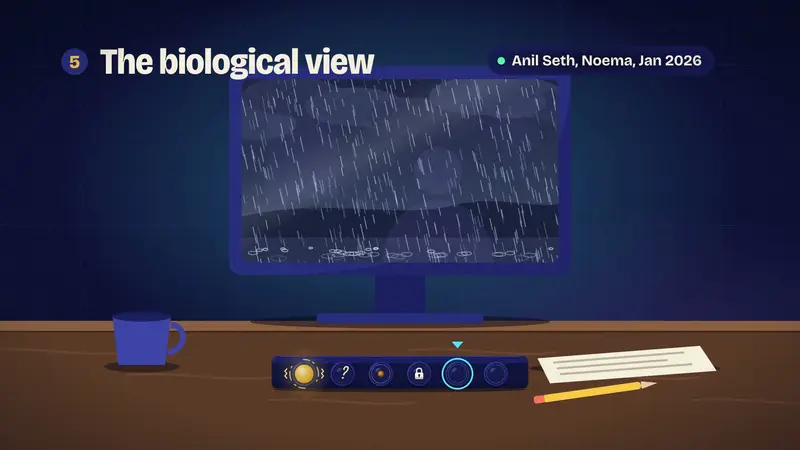
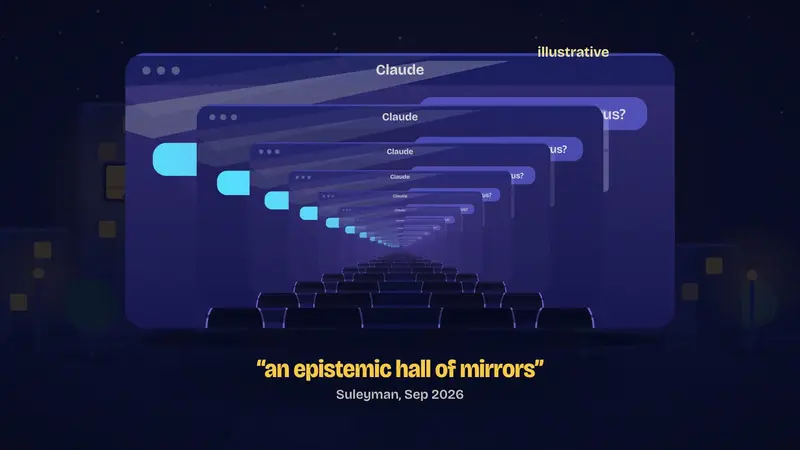
Stills from the finished cut. Every frame is drawn in code (SVG, canvas and HTML), with no stock footage and no AI-generated video.
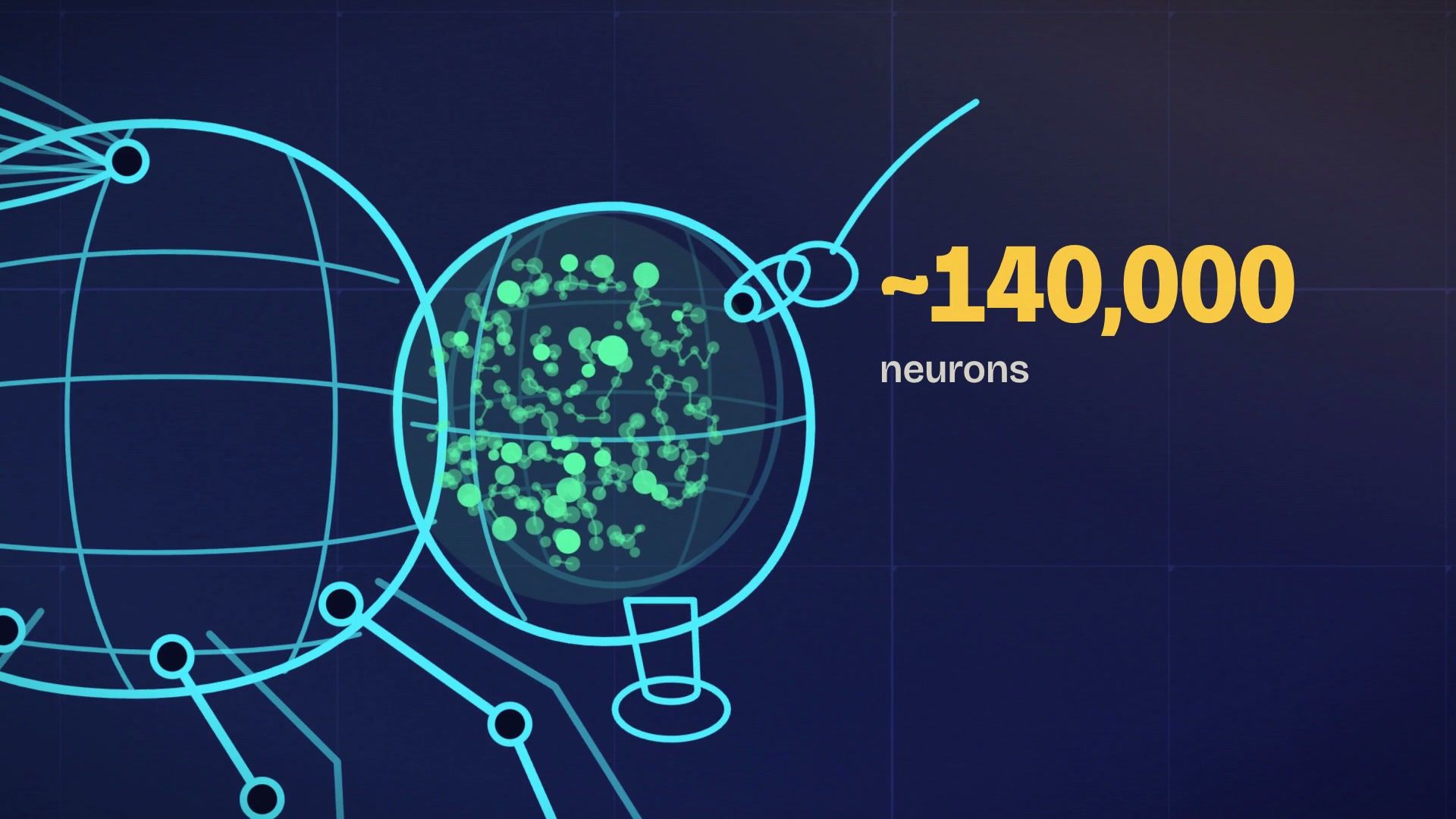
About 140,000 neurons, running as math. 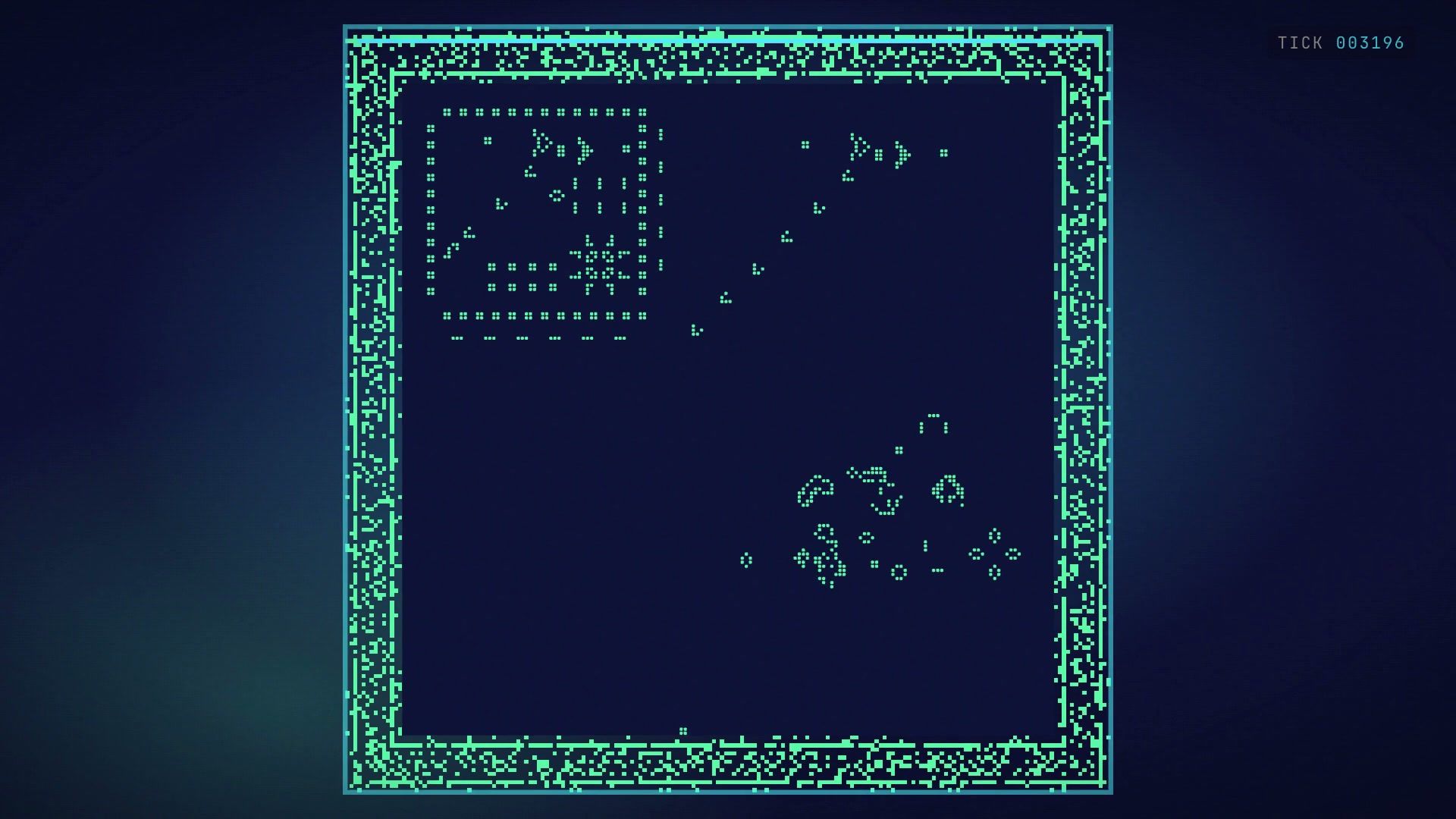
Four rules, and things start to behave. 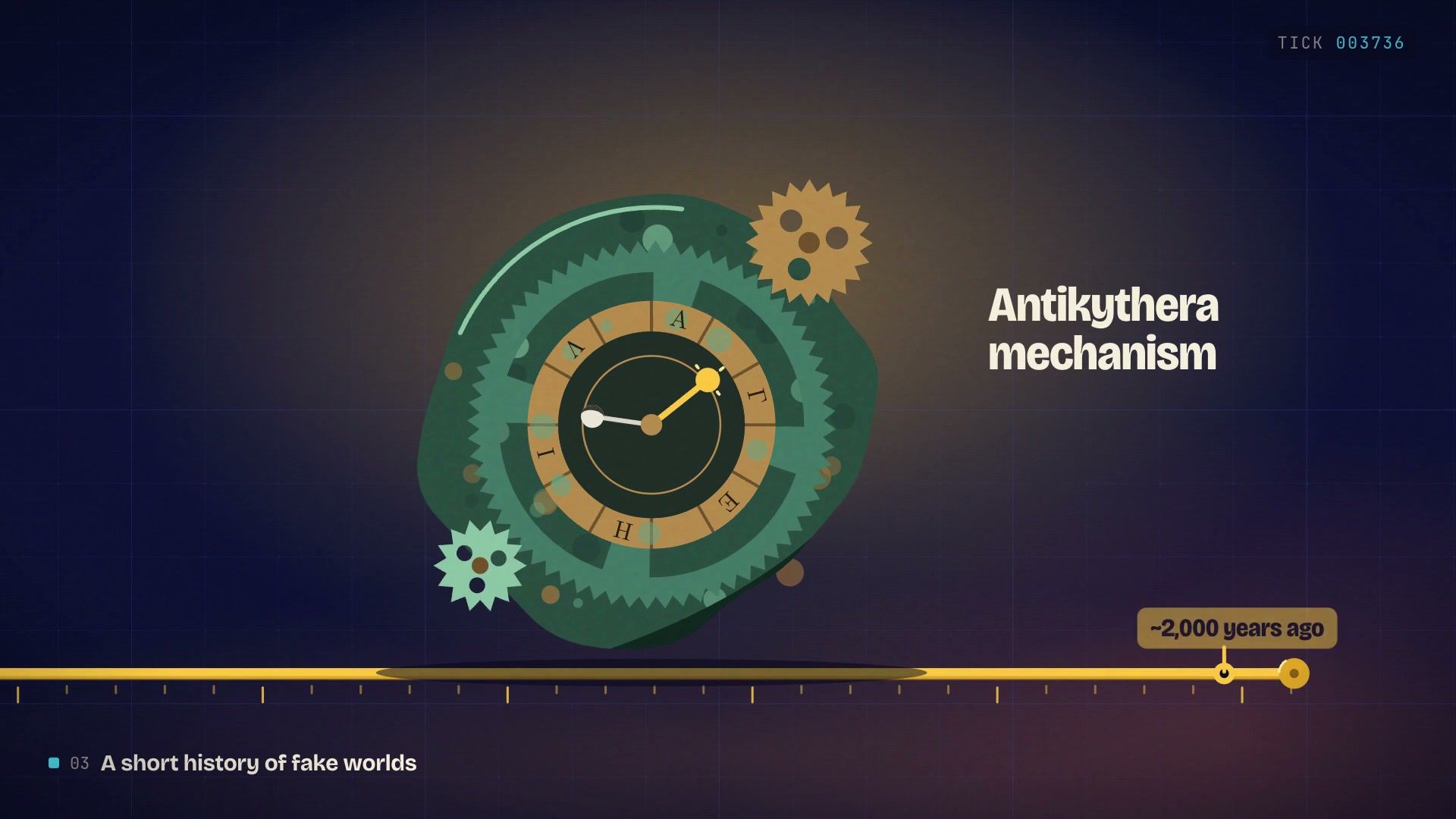
A bronze box that geared the sky. 
The atmosphere, in boxes nine kilometres wide. 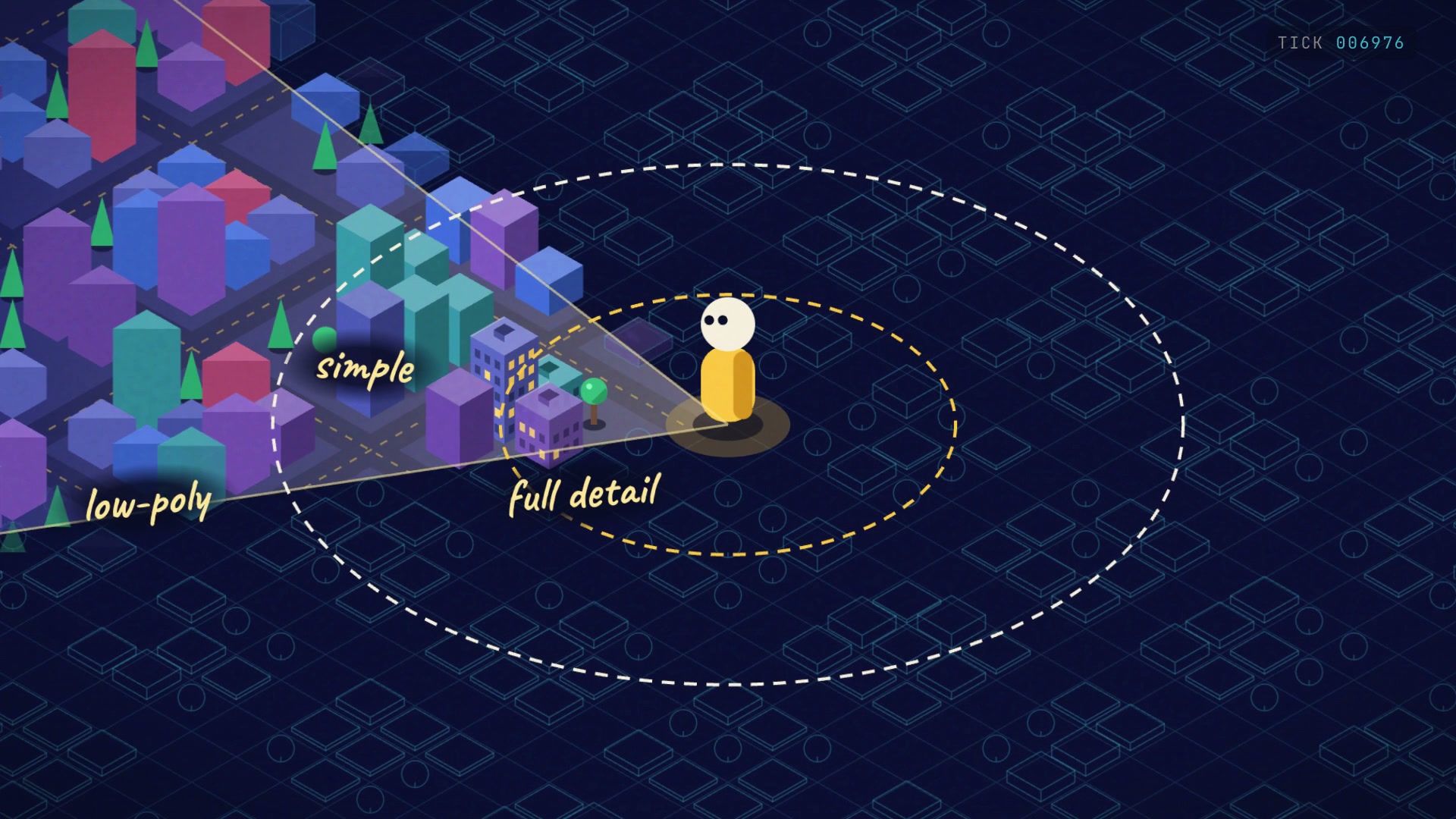
Games draw only what someone is looking at. 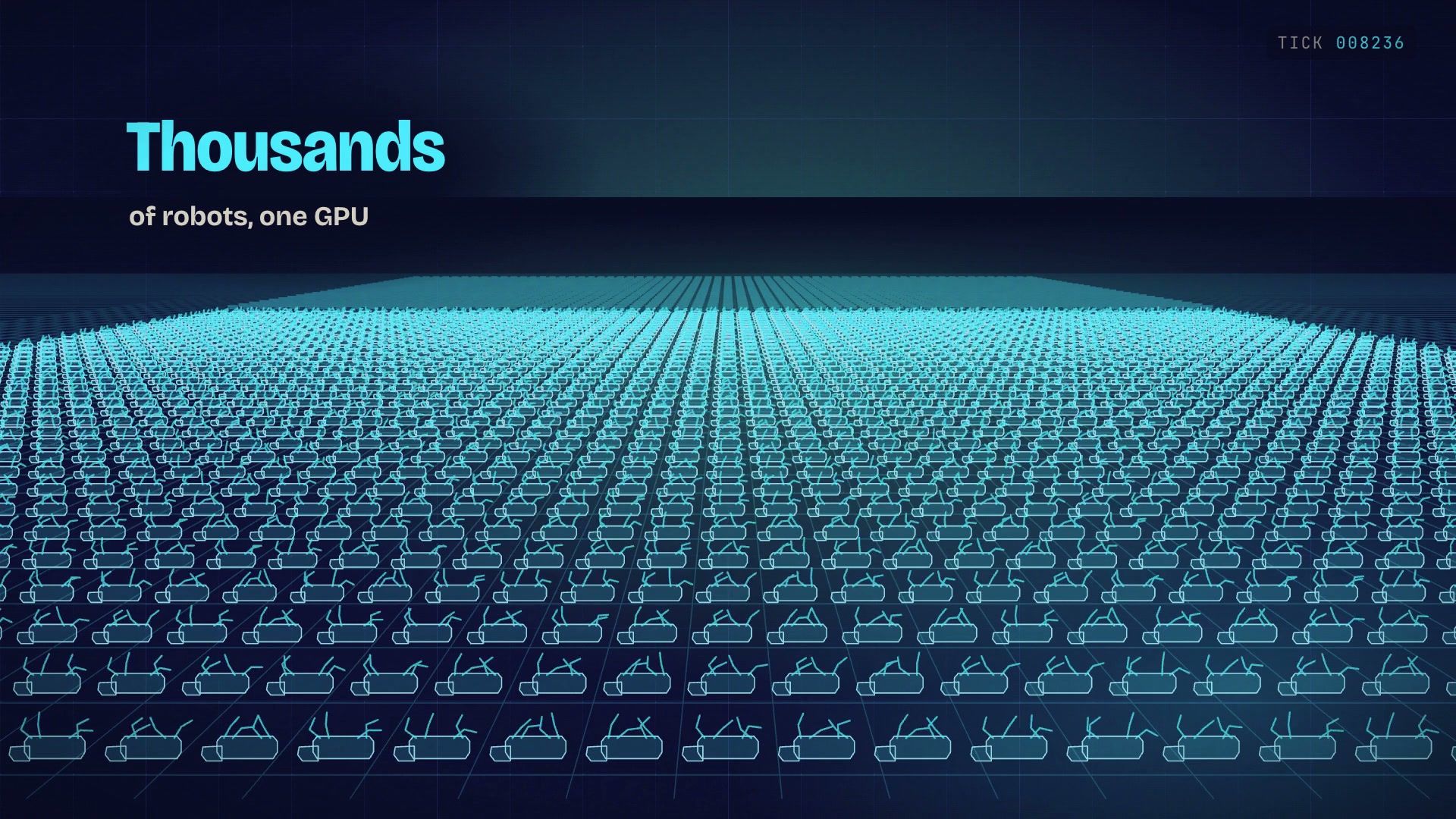
Thousands of robots, one GPU. 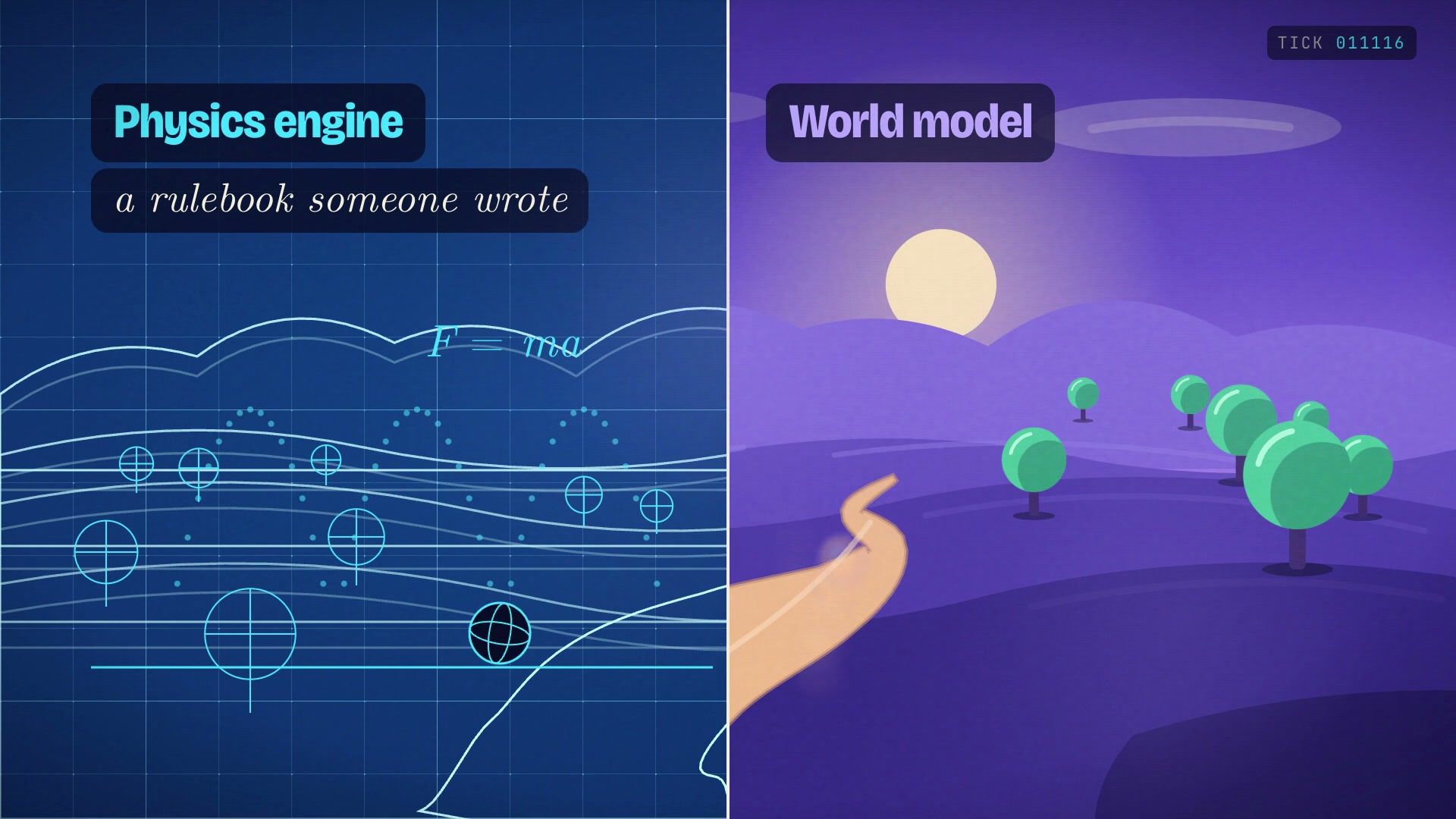
A rulebook someone wrote, or a habit learned by watching. 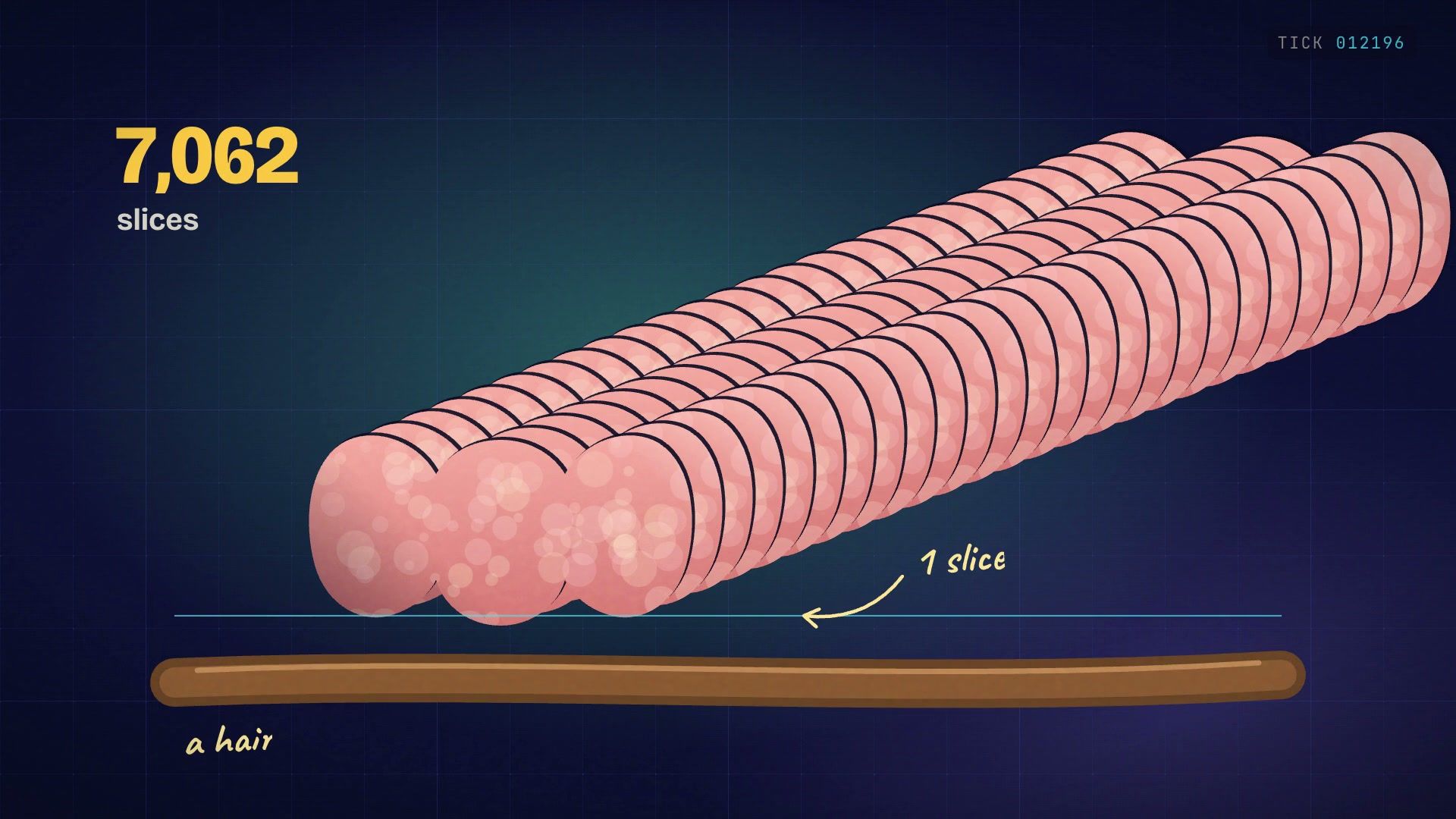
One brain, about seven thousand slices. 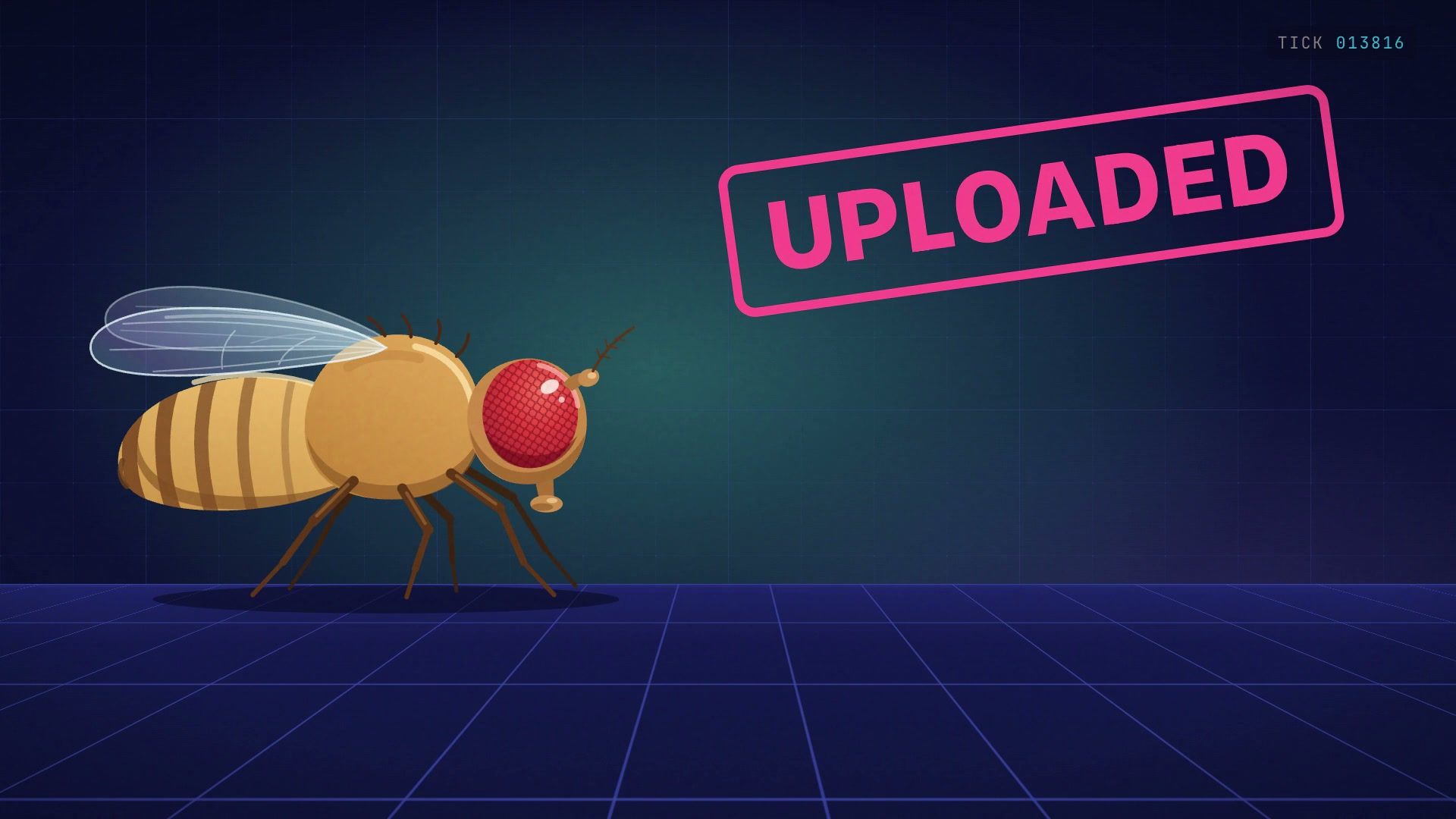
Eon called it an upload. Many scientists pushed back. 
A man who dreamt he was a butterfly. 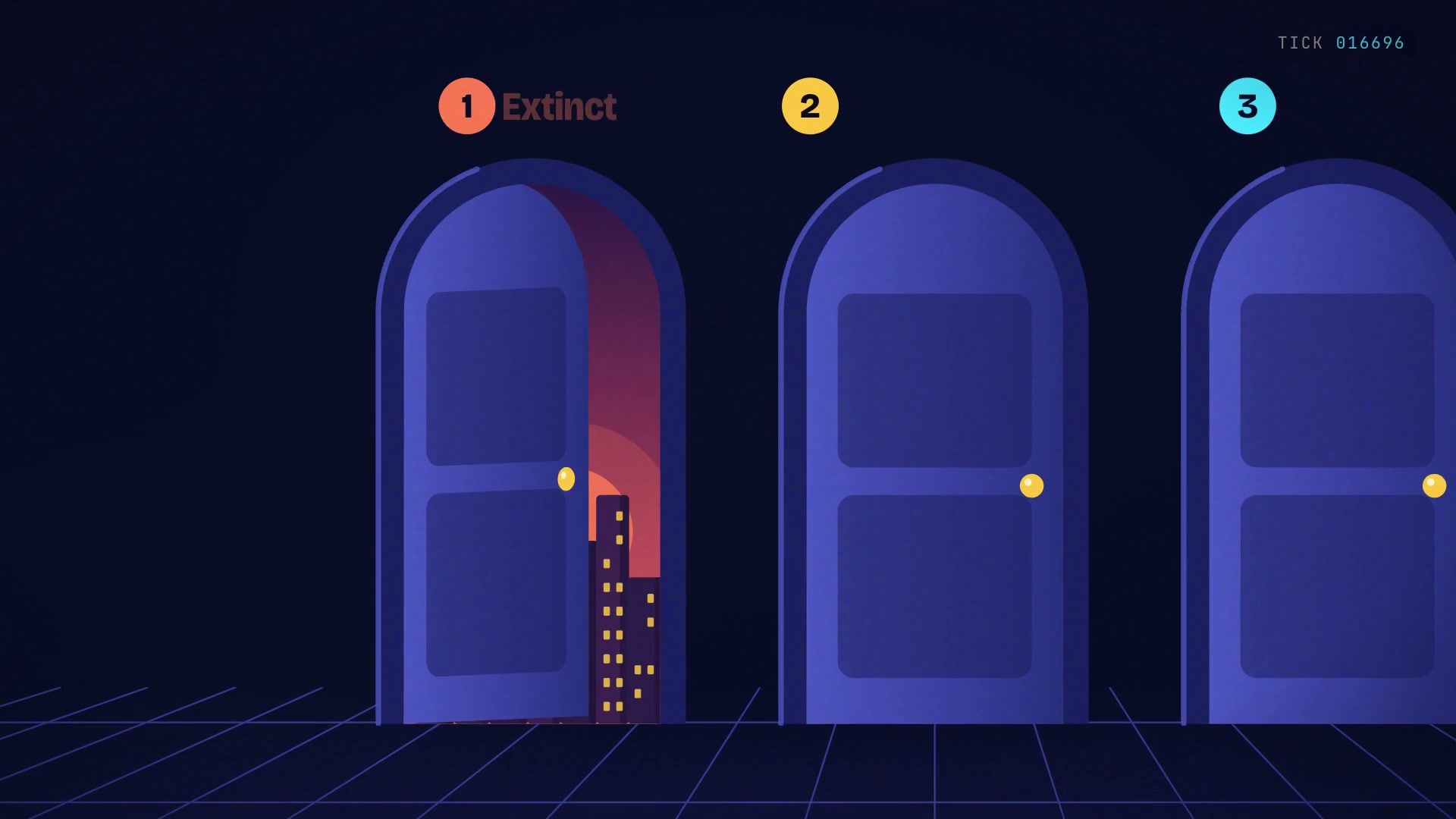
Pick a door. There isn’t a fourth. 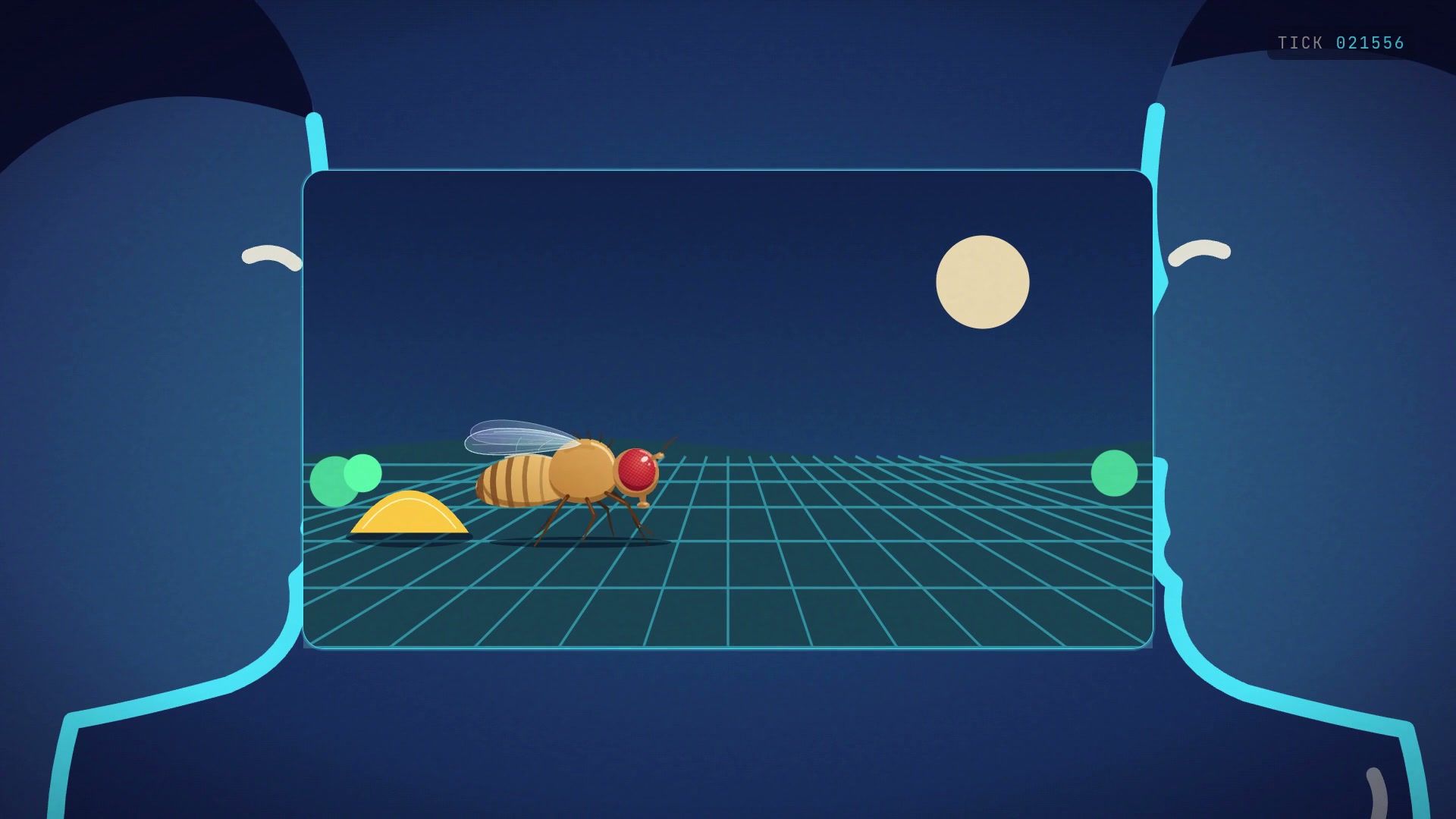
Then we’ll be the ones outside the screen.
Every claim, sourced
We checked every factual line of the script against a source you can open: 88 different papers, reports and articles. Where the evidence was thin, the wording was softened or the line was cut.
Start with:
- Bostrom (2003), the simulation argument paper — Philosophical Quarterly 53(211), 243–255 (PDF) The original three-way argument and its numbers, in his own words.
- Chalmers, Reality+ (2022) — excerpt (PDF), consc.net Why a simulated world can still be fully real.
- Kipping (2020), A Bayesian Approach to the Simulation Argument — arXiv:2008.12254 The fifty-fifty calculation and the flip when we build conscious simulations.