Can AI Be Conscious?
Not another answer, but how to think about the question: why you can’t just ask a chatbot, what six scientific theories would look for inside one, and the two ways we could be wrong.
Premieres on YouTube soon. Subscribe and you’ll see it the day it goes up.
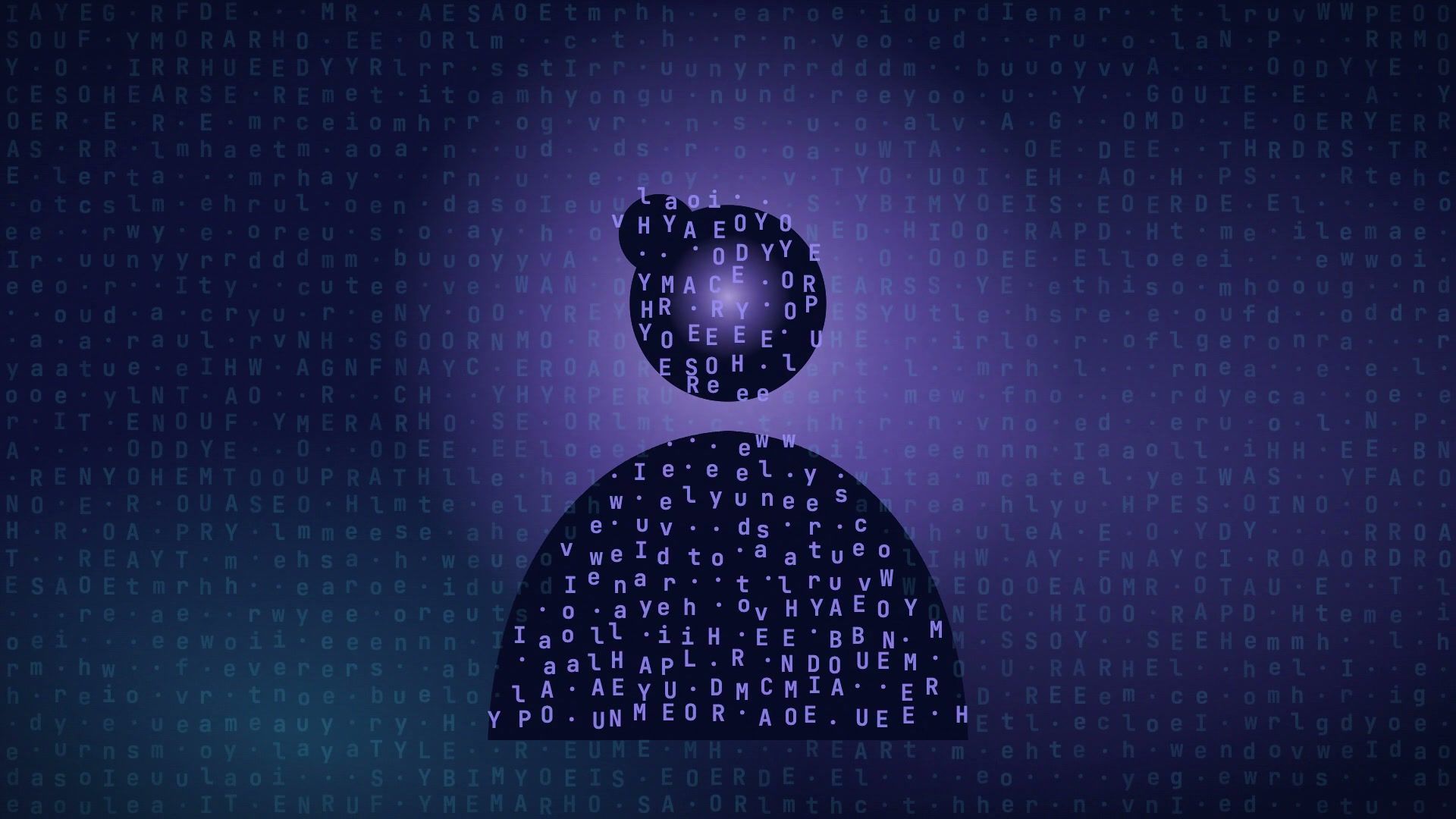
In 1966 a secretary asked to be left alone with a chatbot. She knew it was just a program.
It ends on a question nobody can answer yet:
Is anyone home, and how would we ever know?
Chapters
- 0:00The reflex
- 1:03What are we even asking?
- 2:36Why you can’t just ask it
- 4:30So scientists built a scorecard
- 5:08The scorecard
- 8:09Can we even test the theories?
- 9:06The thought experiments that won’t go away
- 10:29What the builders are doing about it
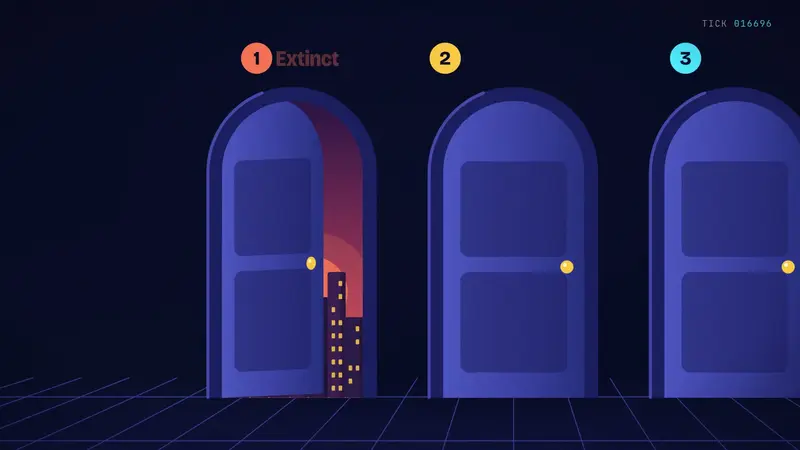
- 11:56Two ways to be wrong
- 12:58Is anyone home?
Inside the film
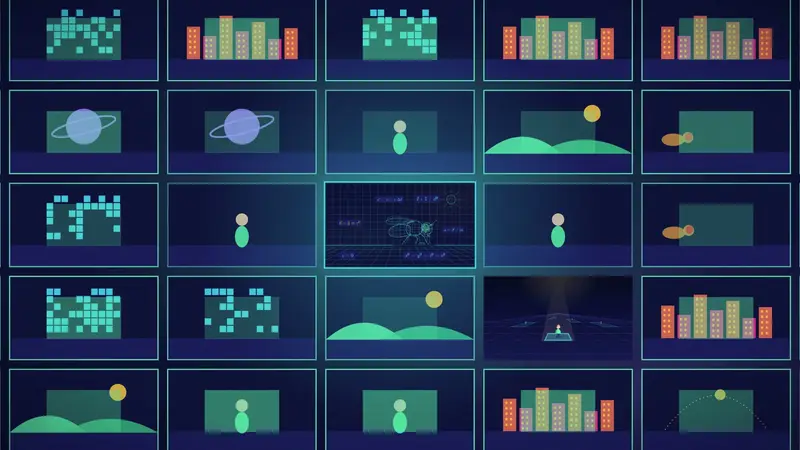
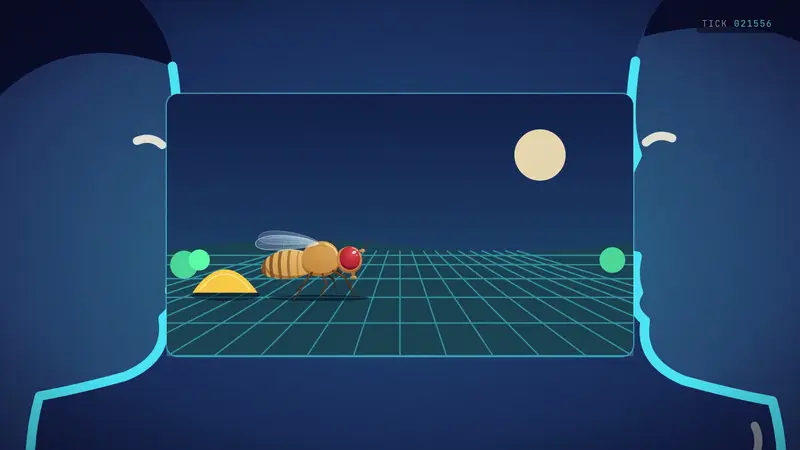
Stills from the finished cut. Every frame is drawn in code (SVG, canvas and HTML), with no stock footage and no AI-generated video.
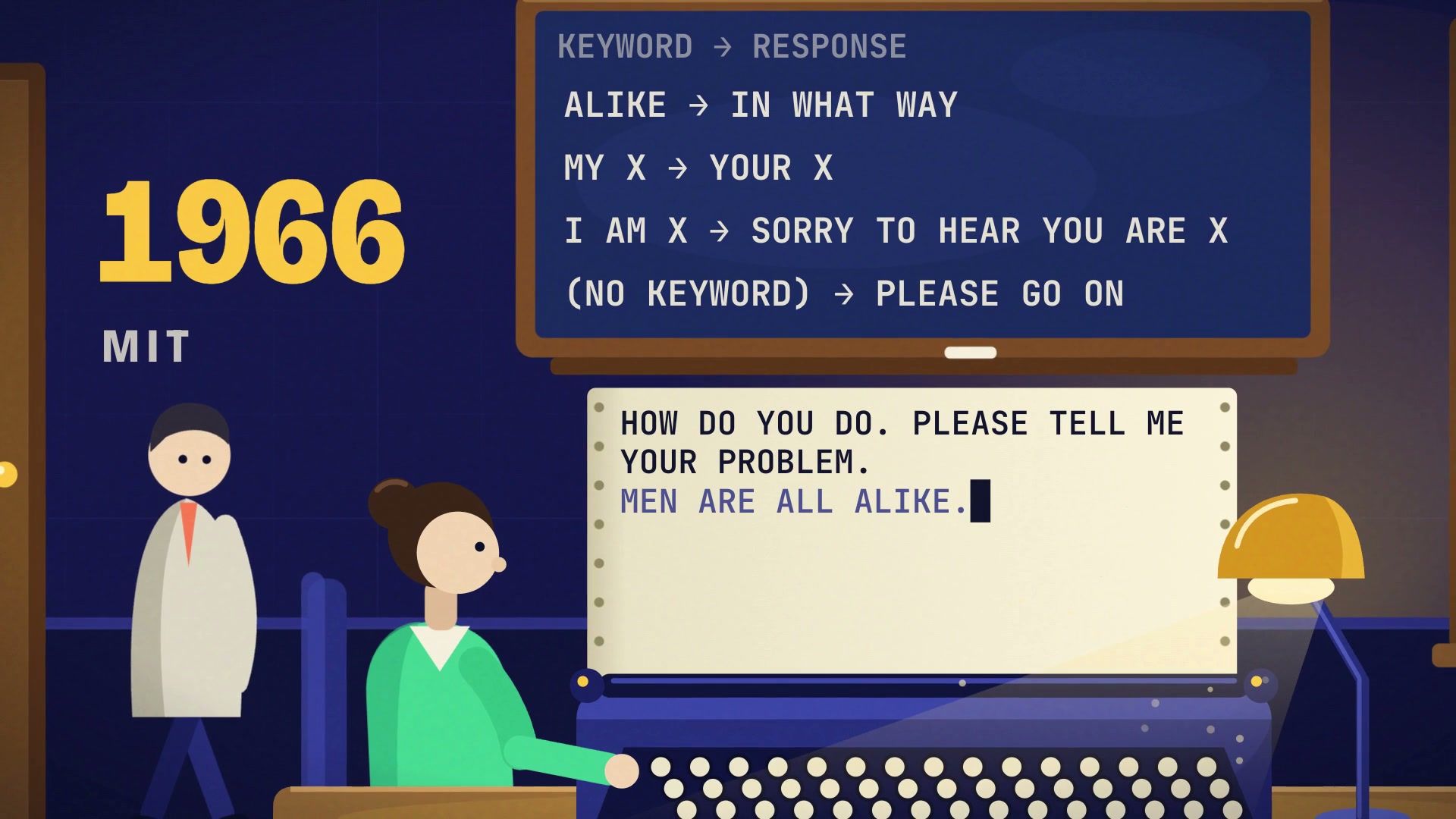
1966: a program that handed your words back. 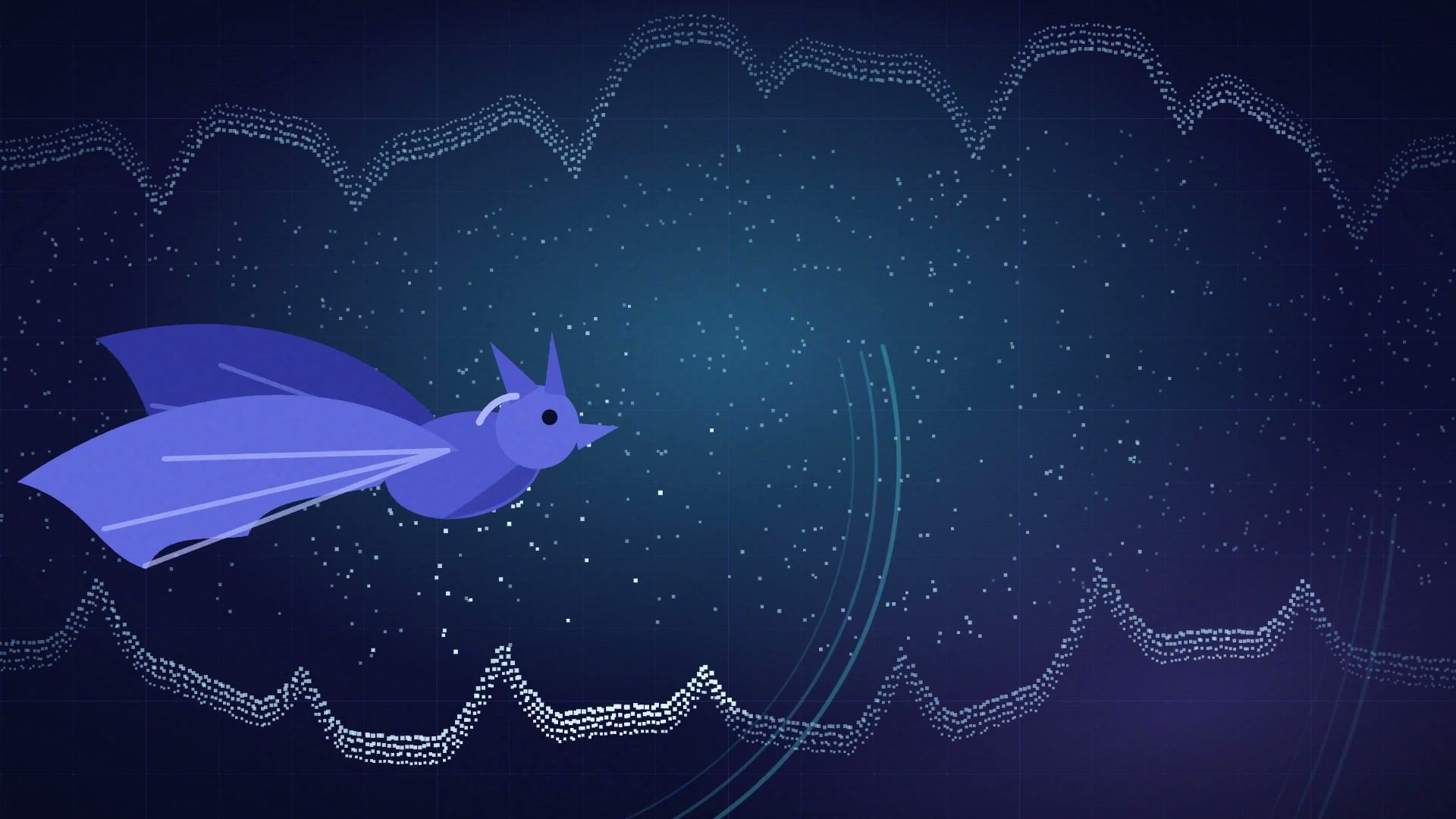
What is it like to be a bat? 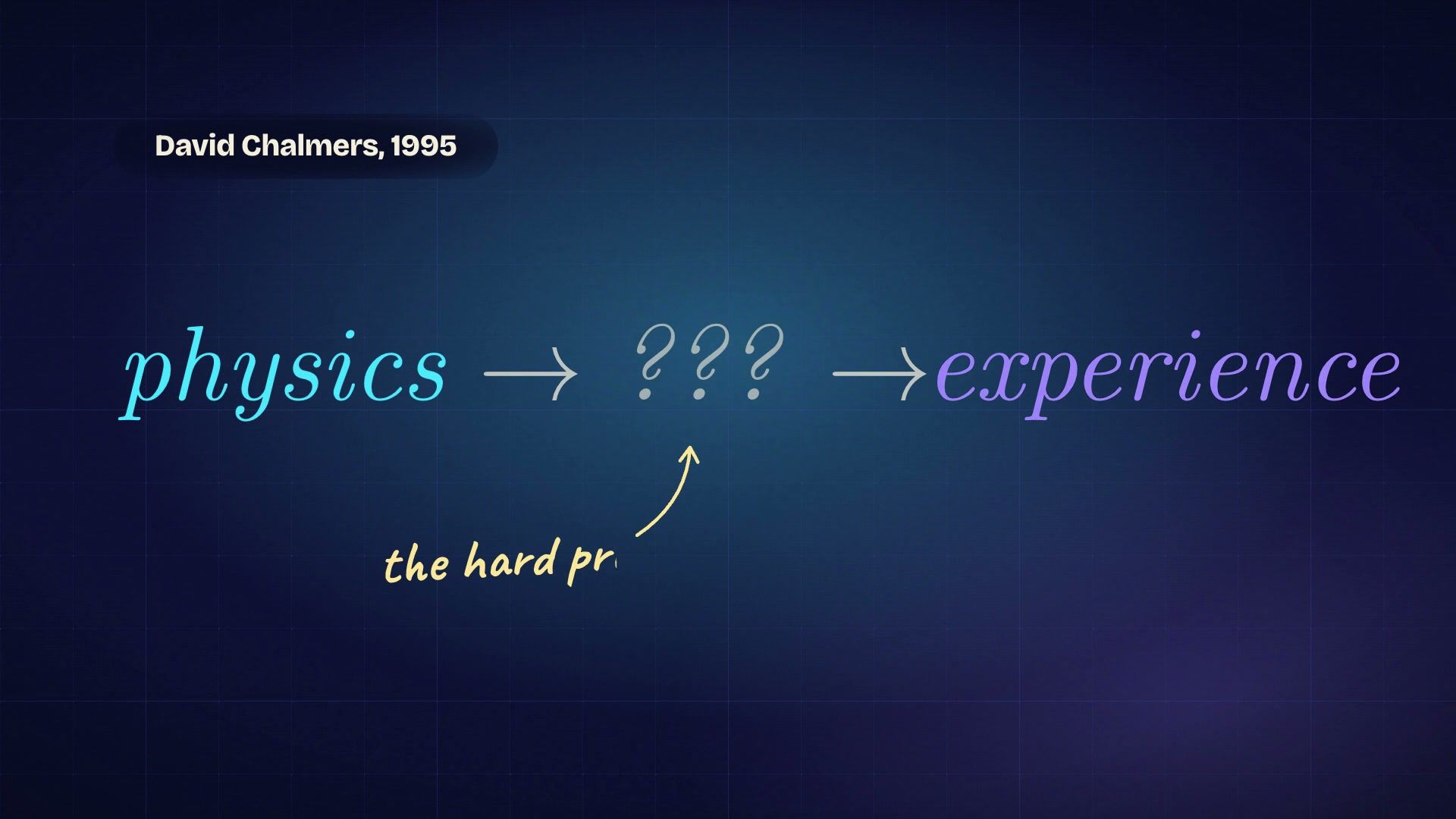
Physics, then something, then experience. 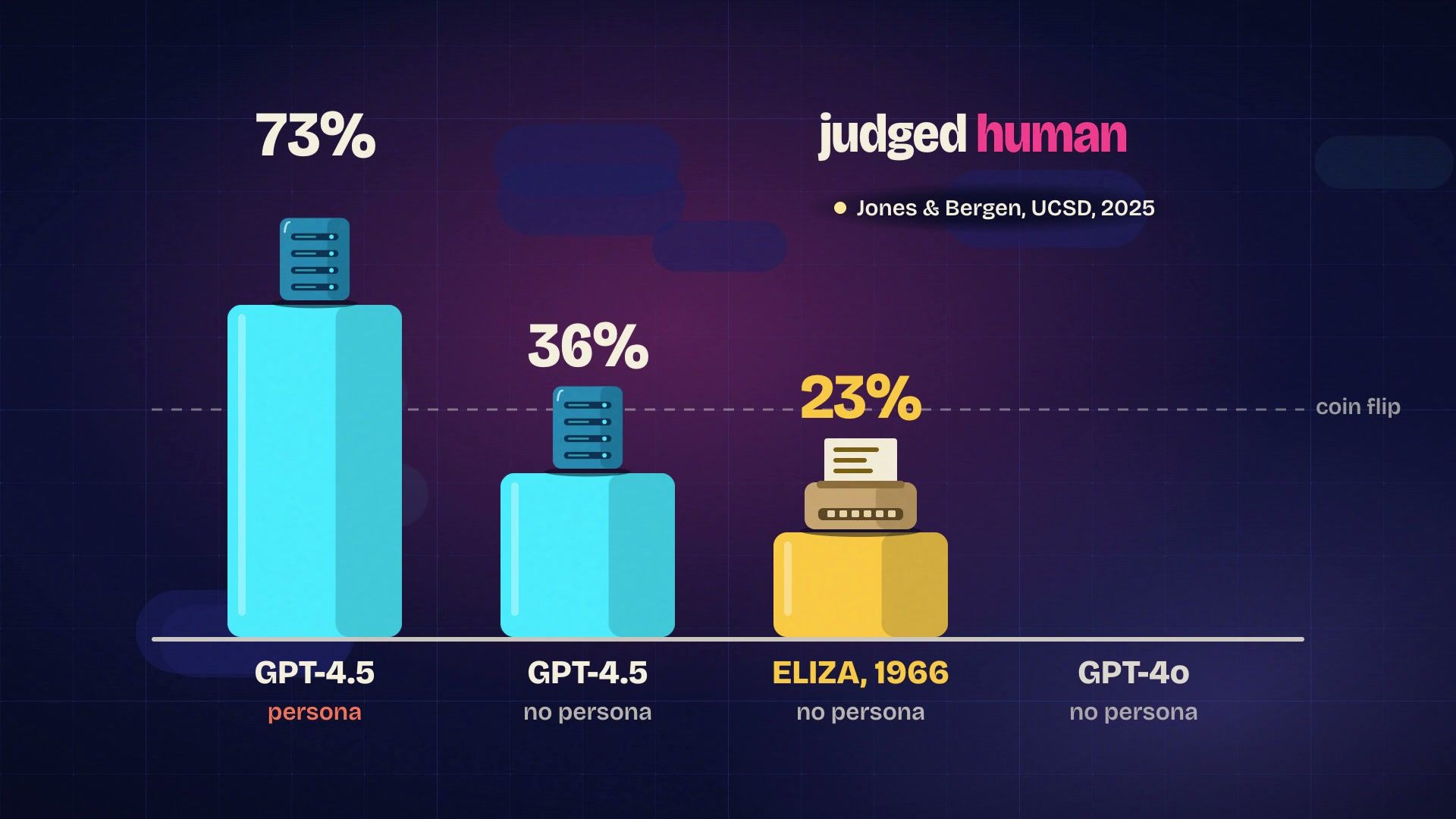
Judged human 73% of the time. 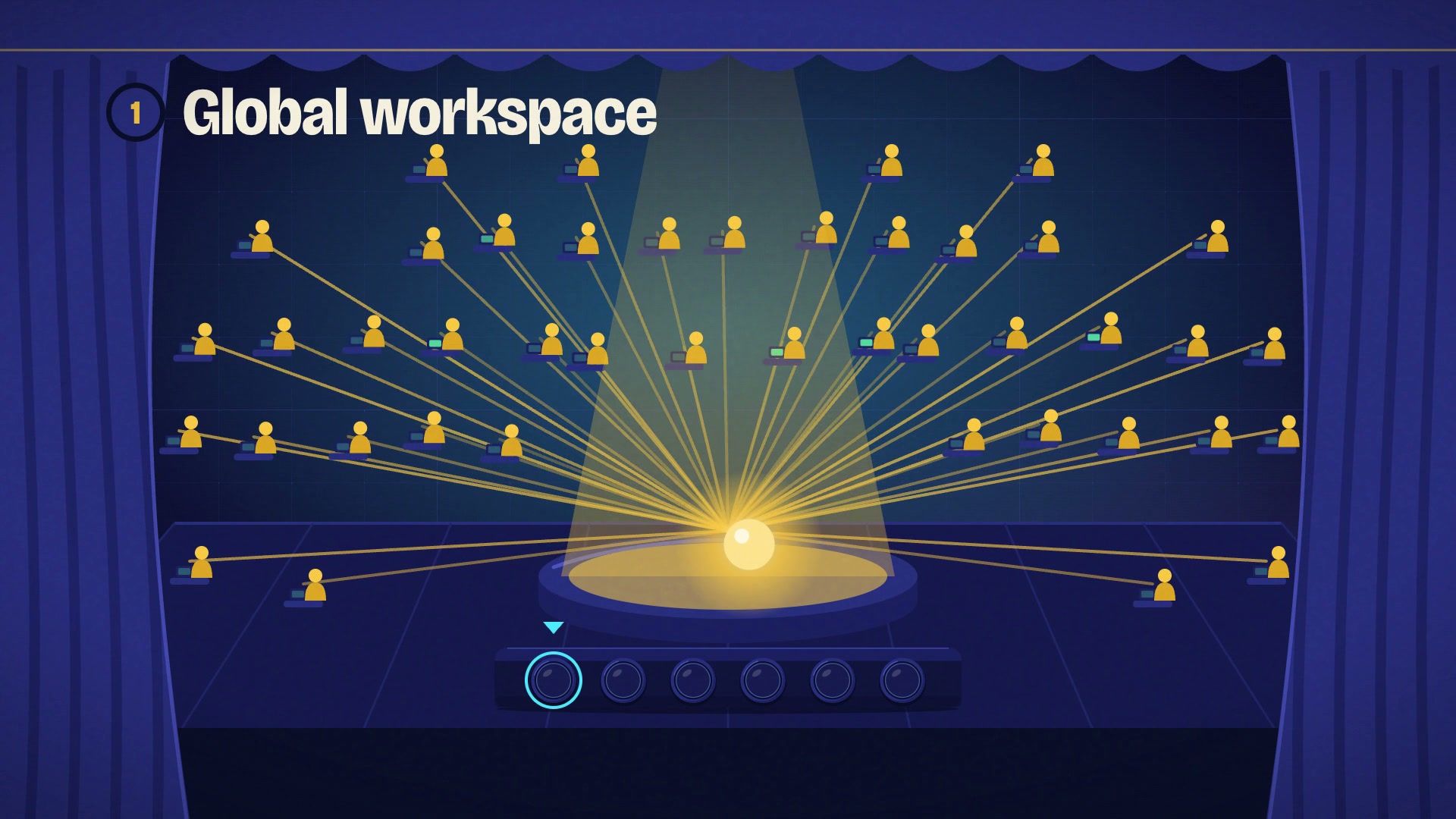
View one: a small stage, broadcast to everything else. 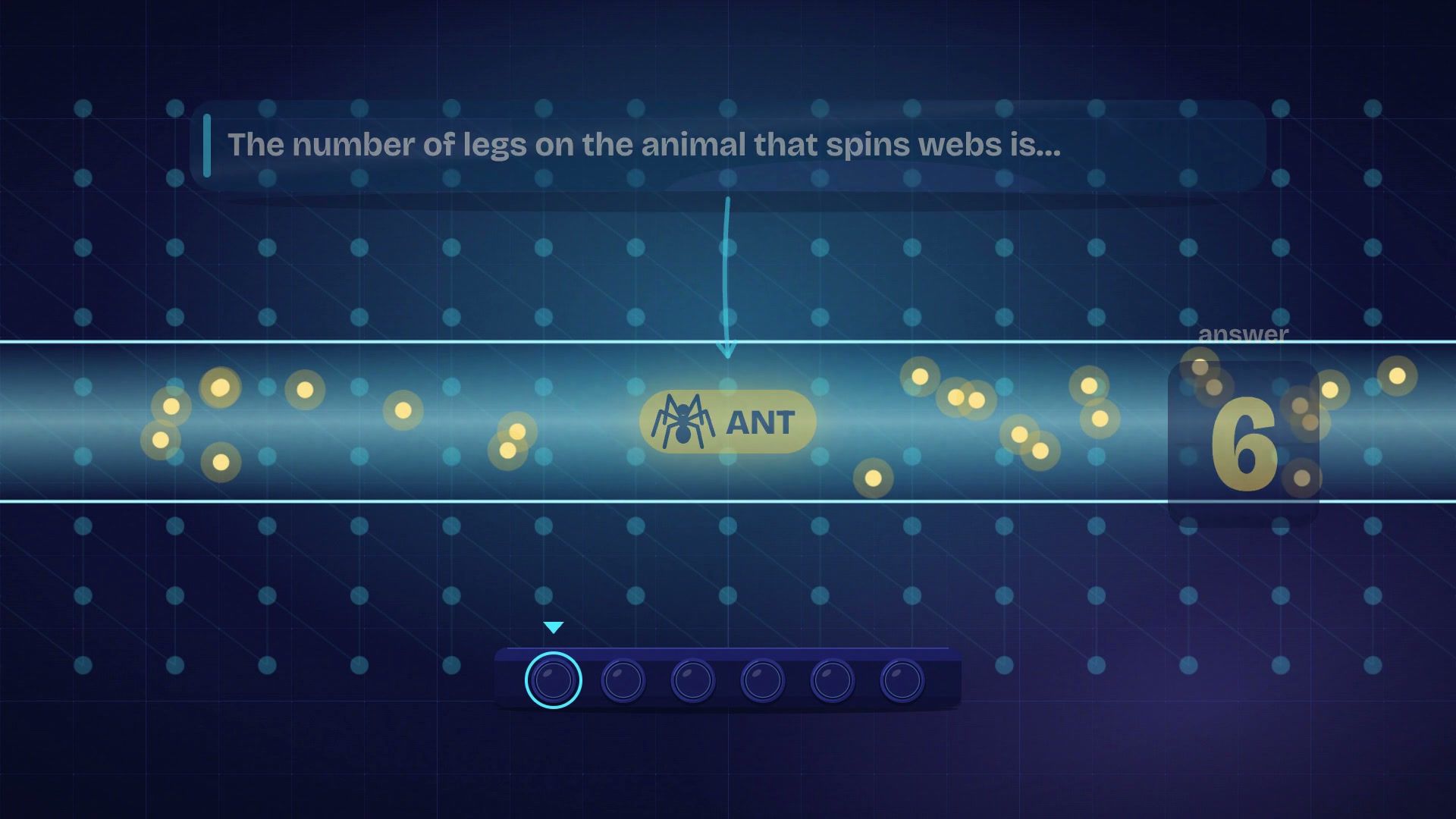
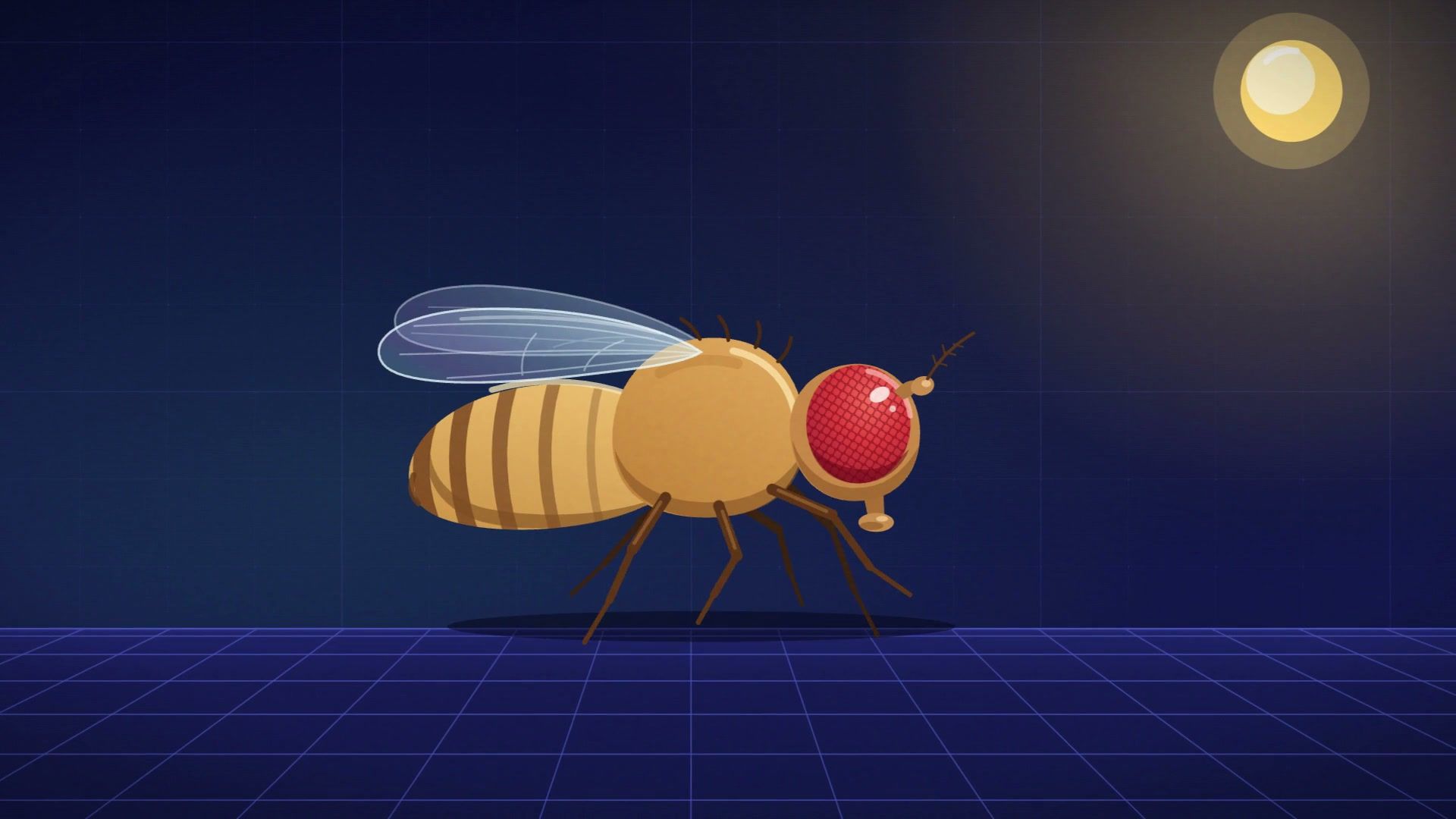
Swap spider for ant, and eight becomes six. 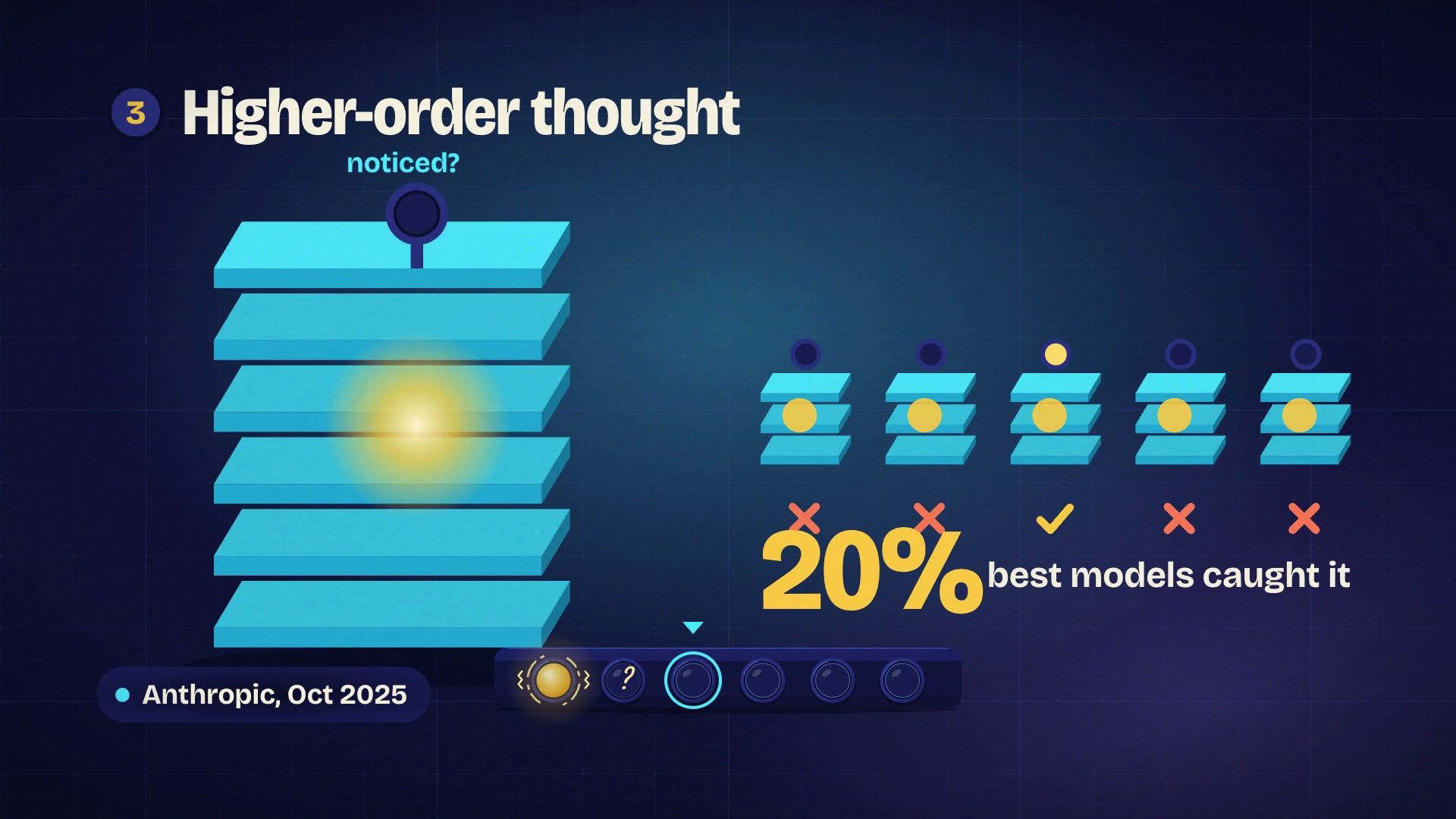
The best models noticed about 20% of the time. 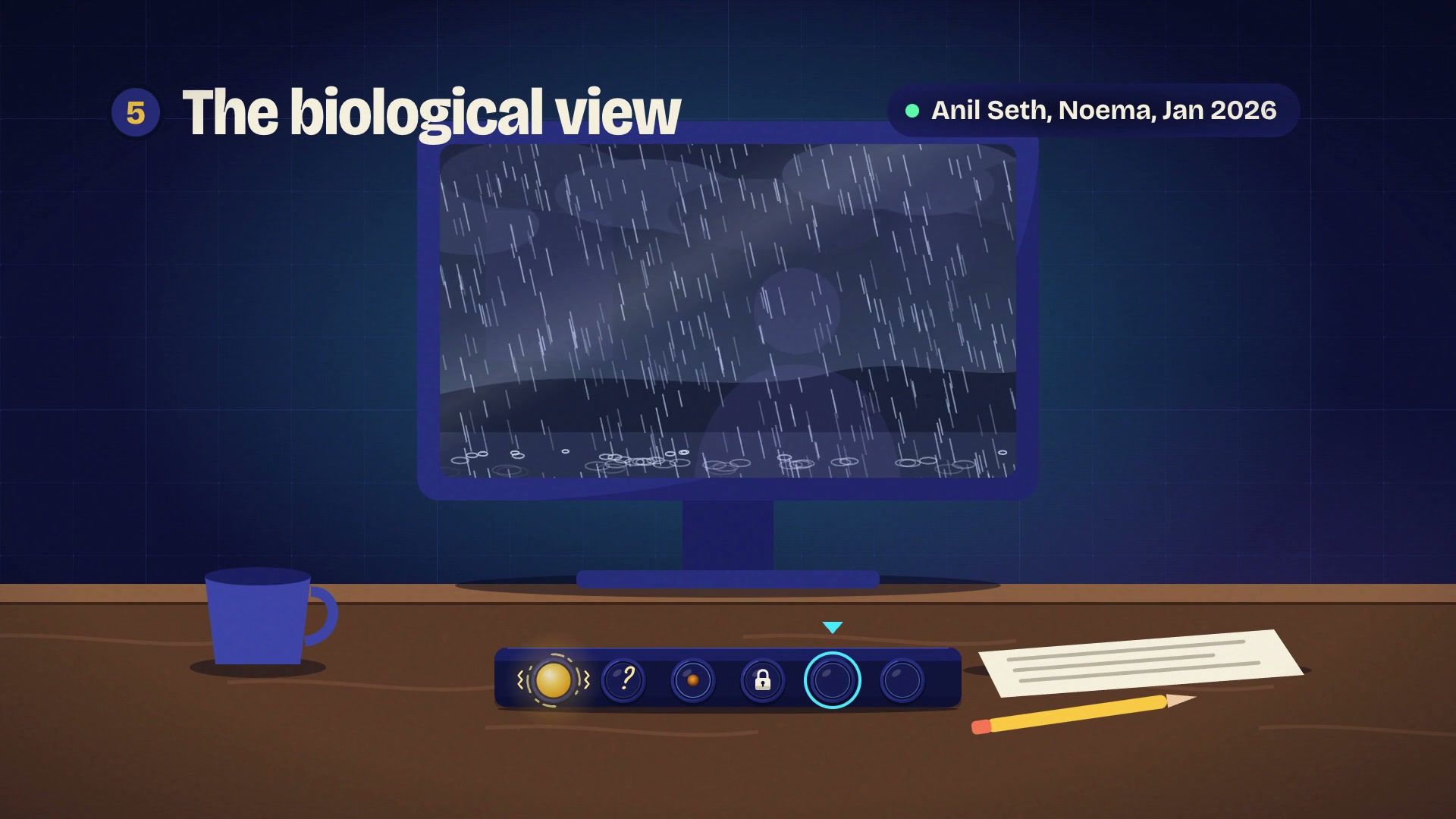
A simulated rainstorm doesn’t make anything wet. 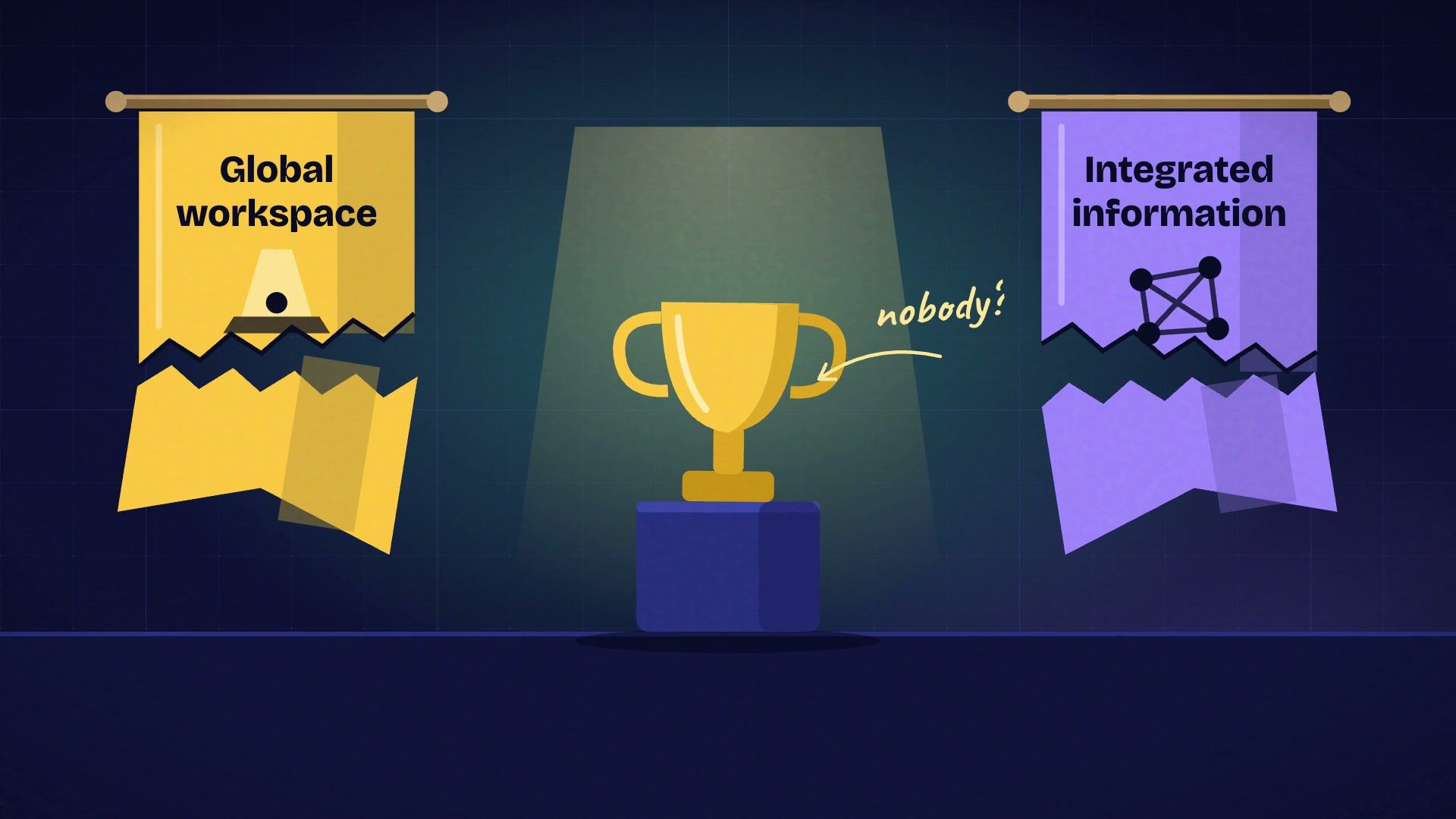
Both theories took serious hits. Neither won. 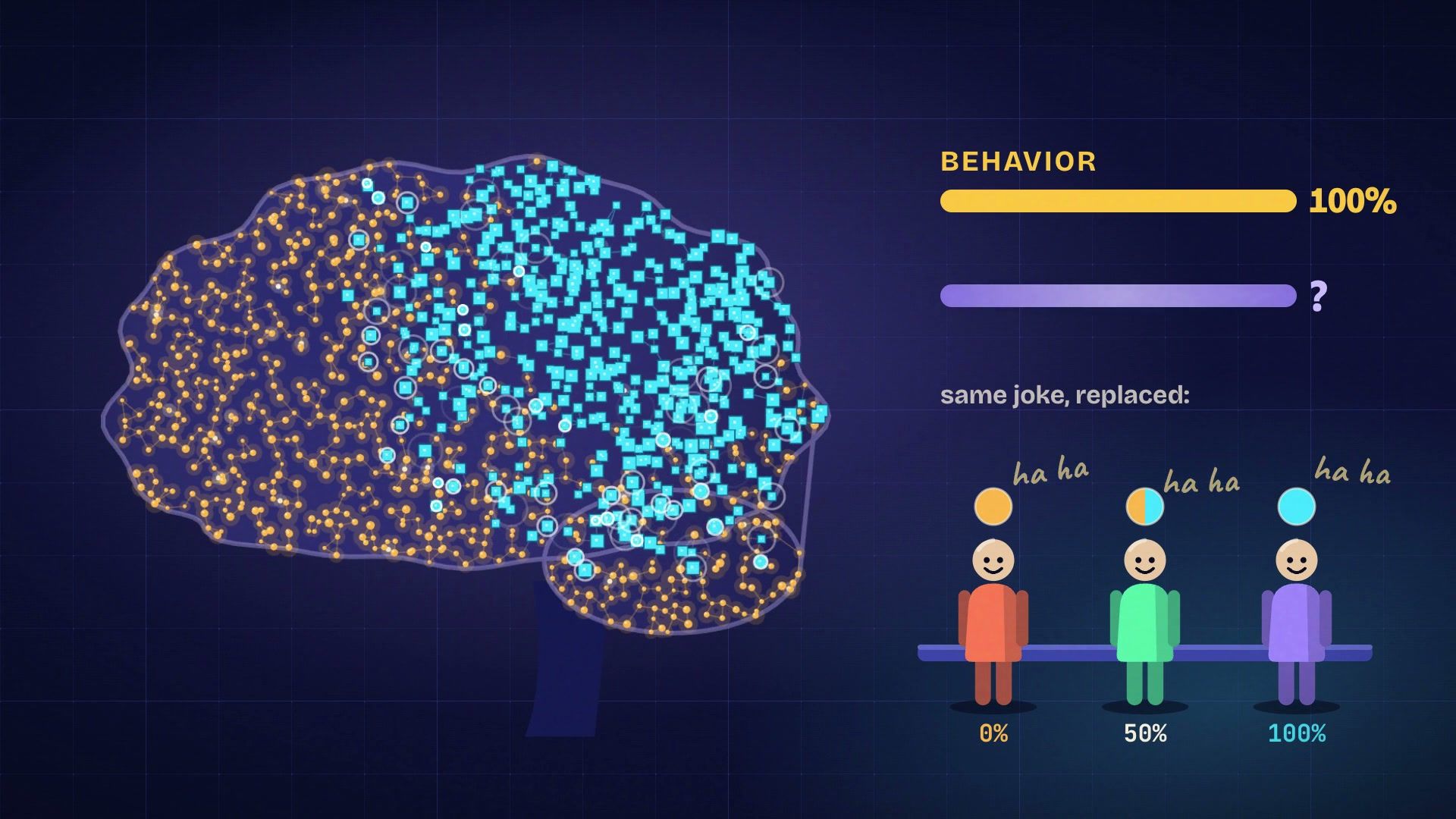
Replace one neuron at a time. When does experience go out? 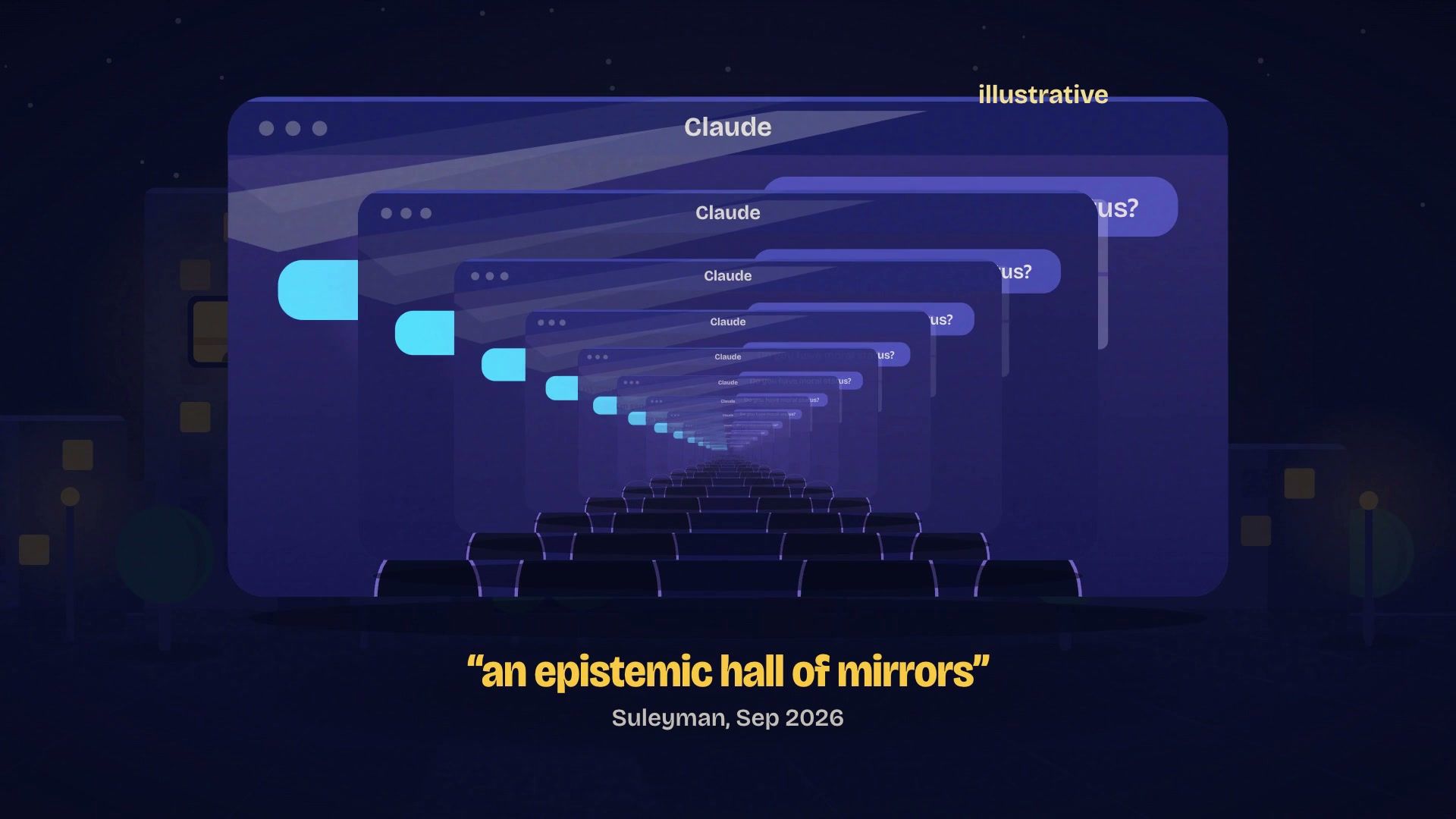
A hall of mirrors. 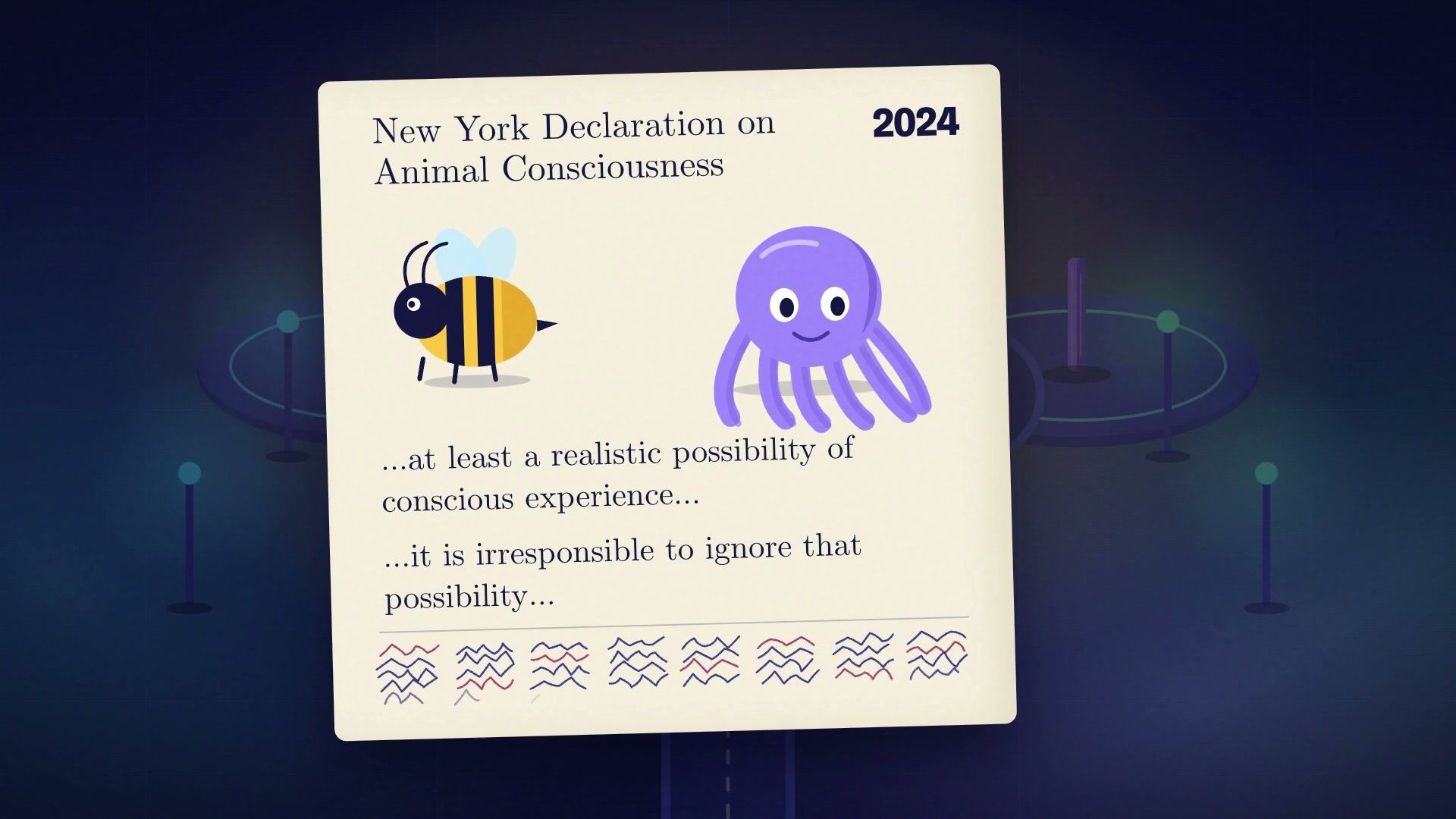
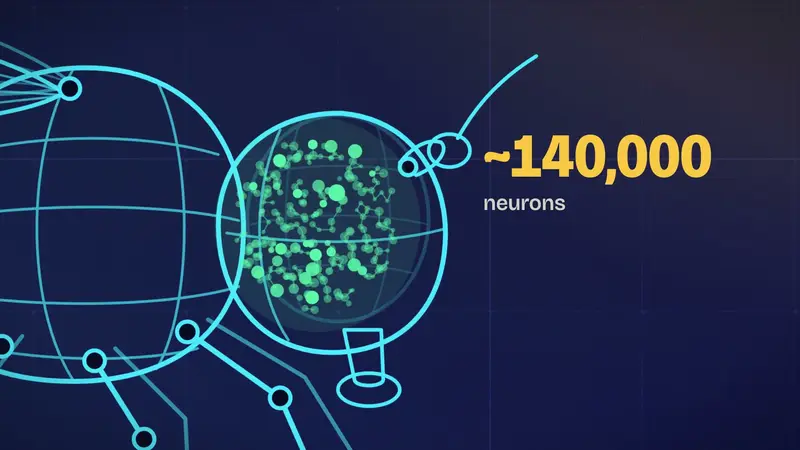
A realistic possibility, even for insects.
Every claim, sourced
We checked every factual line of the script against a source you can open: 39 different papers, reports and articles. Where the evidence was thin, the wording was softened or the line was cut.
Start with:
- Butlin, Long, Bengio et al. (2023), Consciousness in Artificial Intelligence: Insights from the Science of Consciousness — arXiv The 2023 report that turned leading theories into AI indicators.
- Cogitate Consortium (2025), Adversarial testing of global neuronal workspace and integrated information theories of consciousness, Nature, Apr 30 2025 — PubMed Central The preregistered test where two rival theories both took hits.
- Gurnee, Sofroniew, Pearce et al. (2026), Verbalizable Representations Form a Global Workspace in Language Models — Anthropic, Transformer Circuits, Jul 6 2026 Anthropic's 2026 paper on a workspace-like space inside Claude.